


Raw Feeding Guide for Cats & Dogs: The Holistic Pet Parent’s Complete Beginner Guide
The Holistic Pet Parent’s Complete Beginner Guide
Pet parents today are becoming more aware of the powerful role nutrition plays in the health and longevity of their animals. Many are beginning to question traditional pet food and explore more natural ways to nourish their pets.
One of the most common questions people ask is simple.
Should I feed my pet raw food?
Raw feeding is growing rapidly among holistic pet parents because it focuses on providing whole, minimally processed foods that align with what cats and dogs are biologically designed to eat.
Instead of highly processed kibble, raw diets focus on nutrient rich ingredients such as meat, organs, bone, and healthy fats.
At Cats Kingdom, we believe nutrition is the foundation of health. Our mission is to empower pet parents with knowledge and high quality products that help their animals thrive naturally.
If you are curious about raw feeding but unsure where to start, this guide will walk you through everything you need to know.

What Is Raw Feeding?
Raw feeding focuses on providing pets with foods that closely resemble their natural ancestral diets.
A balanced raw diet generally includes:
• Raw muscle meat
• Organ meats such as liver, kidney, and heart
• Raw meaty bones or bone meal
• Healthy animal fats
• Natural supplements when necessary
These ingredients provide a wide range of essential nutrients that support the body's natural functions.
Many pet parents also use freeze dried raw food, which removes moisture while preserving nutrients. This option provides convenience while maintaining the benefits of raw nutrition.
Why Raw Feeding Is Becoming Popular
More pet parents are choosing raw feeding because they want to support their pets’ health naturally and proactively.
Several key benefits are commonly reported.
Improved Digestion
Whole foods are often easier for pets to digest compared to heavily processed kibble.
Pet parents frequently notice:
• smaller stools
• less odor
• better nutrient absorption
Healthier Skin and Coat
Natural fats and omega fatty acids support skin health and promote soft, shiny coats.
Pets suffering from itching or skin irritation sometimes experience noticeable improvement after switching diets.
Increased Energy and Vitality
When pets consume higher quality nutrients, their bodies can function more efficiently.
Many owners observe improved energy levels, better mobility, and more playful behavior.
Weight Management
High protein diets help pets maintain lean muscle mass and support healthy body composition.
Better Dental Health
Chewing raw bones or freeze dried meats can help reduce plaque buildup and support healthier teeth and gums.
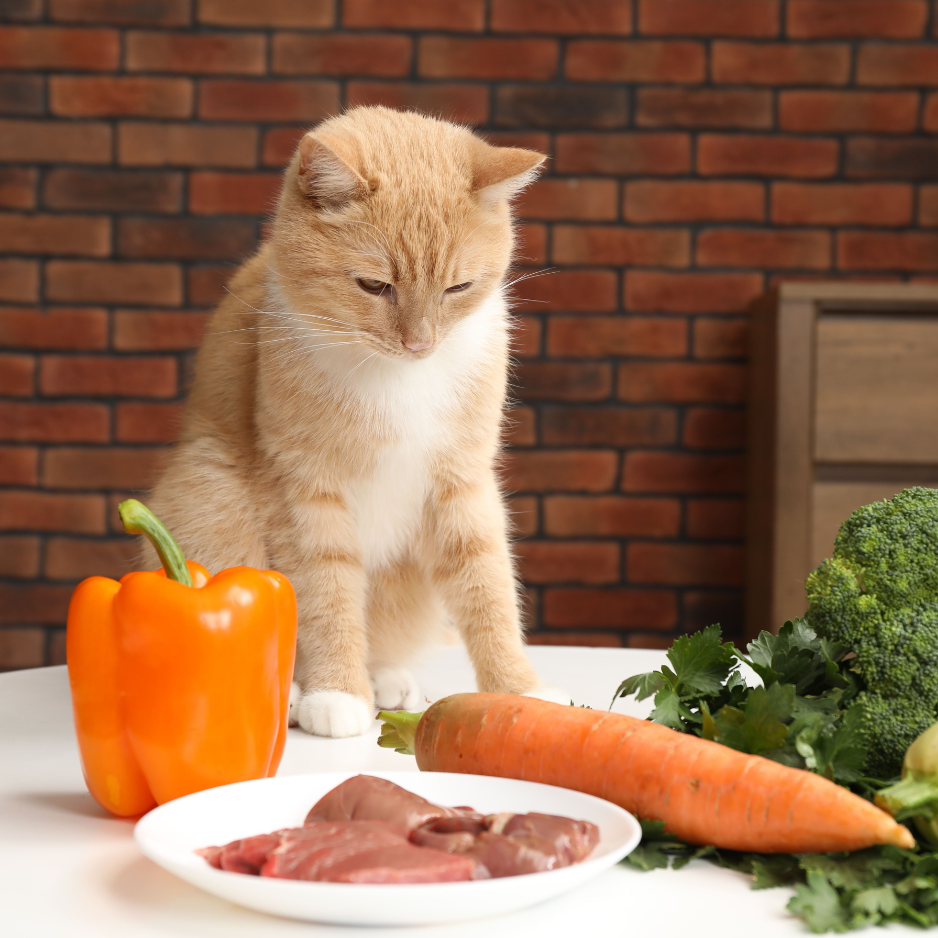
Why Moisture Rich Diets Matter for Cats
Cats have very specific nutritional needs.
Unlike dogs, cats are obligate carnivores, meaning their bodies require nutrients found only in animal based foods.
Cats also evolved to obtain most of their hydration from food rather than drinking water.
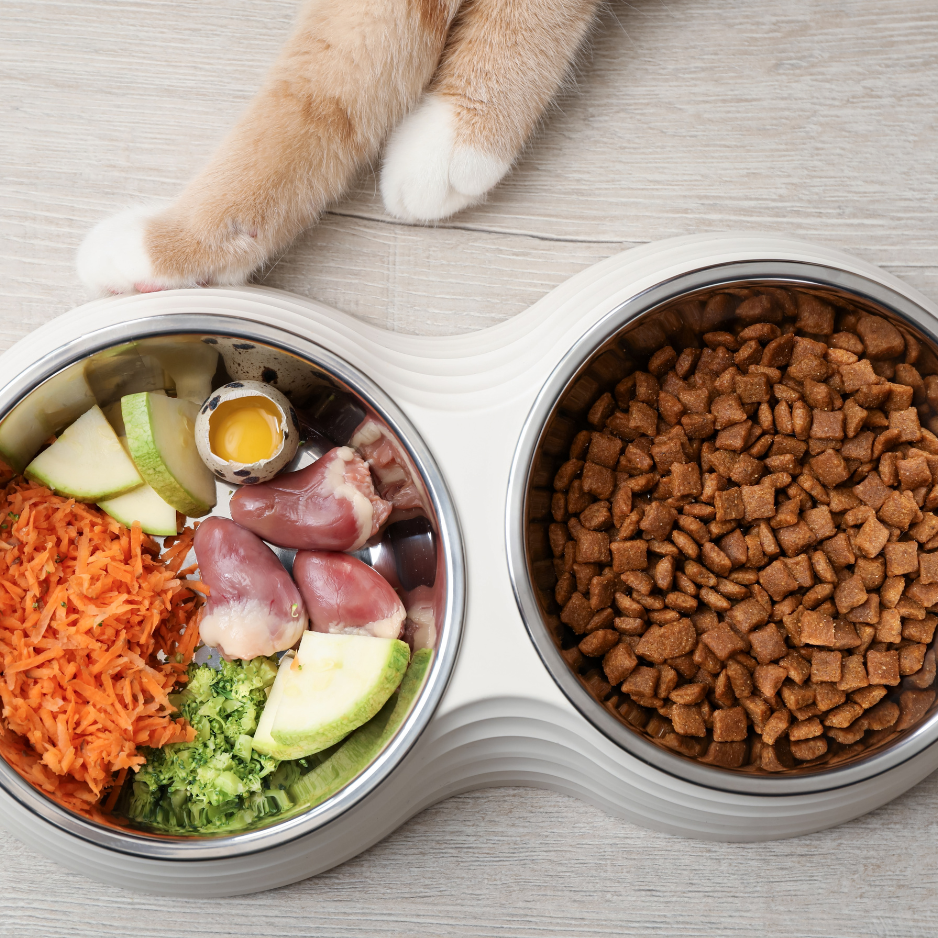
Dry kibble typically contains only 5 to 10 percent moisture, while raw diets contain around 70 percent moisture.
This difference can significantly affect hydration levels.
Chronic dehydration in cats has been linked to several health concerns.
These include:
• kidney disease
• urinary tract problems
• bladder crystals
• inflammation
Providing moisture rich diets helps support urinary and kidney health over the long term.
Raw Feeding Options for Cats and Dogs
There are several ways pet parents can implement raw feeding depending on lifestyle and comfort level.
Frozen Raw Food
Frozen raw diets are one of the most common options.
They are usually sold as patties, nuggets, or ground blends that contain balanced ratios of meat, organs, and bone.
Frozen raw diets should remain frozen until thawed before feeding.
Freeze Dried Raw Food
Freeze dried raw food removes moisture from raw ingredients while preserving nutrients.
Benefits include:
• long shelf life
• convenient storage
• easy feeding
• minimal preparation
Many pet parents choose freeze dried options when traveling or when freezer space is limited.
Balanced Commercial Raw Diets
Commercial raw diets are formulated to meet nutritional standards for pets.
These products provide balanced nutrition without requiring pet parents to calculate nutrient ratios themselves.
How to Transition Your Cat or Dog to Raw Food
Transitioning your pet gradually helps prevent digestive upset and allows the body to adjust.
Step 1: Start Slowly
Introduce small amounts of raw food alongside your pet’s current food.
Step 2: Increase the Raw Portion
Gradually increase the amount of raw food over the course of seven to ten days.
Step 3: Monitor Your Pet
Watch for improvements in energy, stool quality, and appetite.
Some pets adapt quickly, while others require more time.
Step 4: Introduce Variety
Once your pet adjusts to one protein source, you can gradually introduce additional proteins.
Common Concerns About Raw Feeding
Many pet parents have understandable concerns before trying raw feeding.
Learning the facts can help you make an informed decision.
Food Safety
Proper food handling is important with any pet food.
Using high quality commercial raw products and following safe storage practices can minimize risk.
Nutritional Balance
Balanced diets are essential.
Many commercial raw brands provide complete nutrition that meets established feeding guidelines.
Cost
Raw feeding can sometimes cost more than basic kibble. However, many pet parents feel the long term health benefits make the investment worthwhile.
Frequently Asked Questions About Raw Feeding
Is raw food safe for cats and dogs?
Yes. When sourced from reputable manufacturers and handled properly, raw diets can be safe and nutritionally beneficial.
Can kittens and puppies eat raw diets?
Yes. Growing animals can thrive on balanced raw diets that meet their developmental nutritional needs.
Is freeze dried raw as healthy as frozen raw?
Freeze dried raw food preserves most nutrients found in fresh raw diets. It offers a convenient alternative while maintaining many of the same benefits.
Can I mix kibble and raw food?
Some pet parents mix foods during the transition phase. Others prefer feeding them in separate meals because digestion rates can differ.
How much raw food should I feed my pet?
Most adult pets eat about 2 to 3 percent of their body weight per day, though this can vary depending on age, activity level, and metabolism.

The Future of Pet Nutrition
More pet parents are realizing that nutrition plays a powerful role in preventing disease and supporting longevity.
The future of pet wellness is shifting toward:
• minimally processed diets
• species appropriate nutrition
• functional supplements
• gut health support
• preventative care
Holistic pet care focuses on addressing the root causes of health issues rather than simply treating symptoms.
Final Thoughts
Choosing the right diet for your pet is one of the most important decisions you can make as a pet parent.
Raw feeding offers a way to provide pets with foods that are closer to their natural biological needs.
At Cats Kingdom, we are passionate about helping pet parents discover holistic nutrition and wellness solutions that support vibrant, healthy lives for their pets.
🐾 Explore holistic nutrition and natural wellness products by visiting us online https://catskingdomonline.com/
🐶 Have a dog too?
Discover holistic nutrition and wellness options for dogs at Dogs Kingdom: https://catskingdomonline.com/dogs